Most people start in the same place. They open a browser and type "best solar panels".
It's a completely reasonable thing to do. It's also the wrong question, and it sends people down a path where they end up comparing spec sheets for weeks and still can't answer the only question that matters: is this worth it on my house?
Because here's the thing. Two identical systems, same panels, same inverter, on two houses in the same street, can produce very different returns.
The kit isn't what makes the difference.
Your roof decides more than your panels do
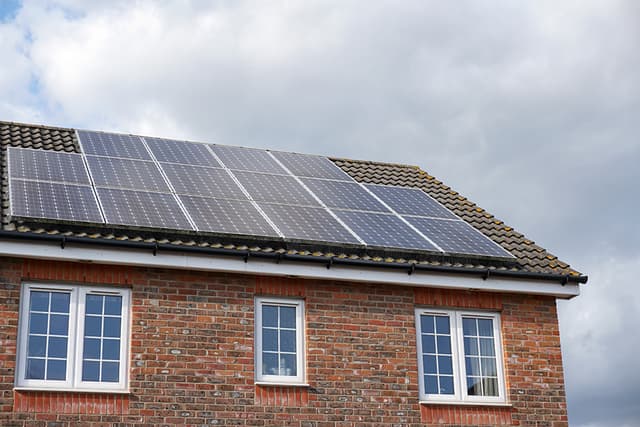
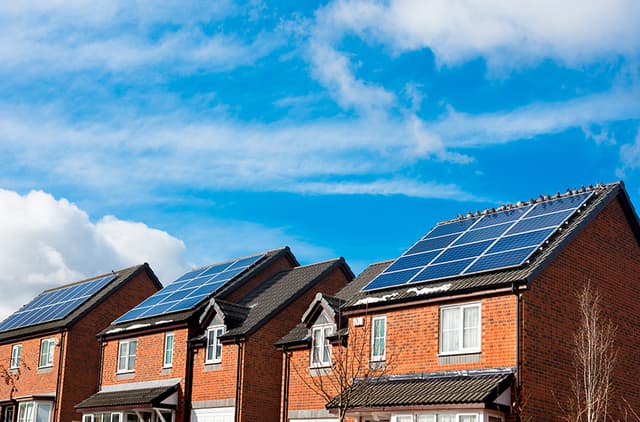
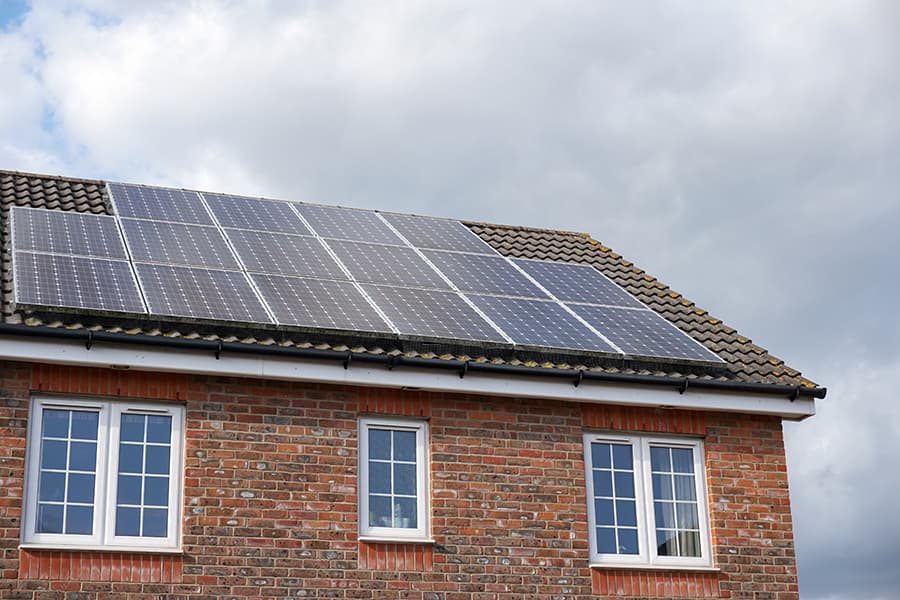
South-facing is best. East-west still works, and often better than people expect. You get a longer, flatter generation curve instead of one big midday spike, which frequently suits how households actually use electricity.
North-facing is where it stops making sense.
Shade matters more than orientation, though. A chimney, a tall neighbour, one badly placed tree. Shading a single panel can drag down a whole string, depending on how the system's designed.
Any installer worth hiring will model this properly rather than eyeballing it from the pavement.
When you use electricity matters as much as how much
This is the one people miss entirely.
Electricity you use as it's generated is worth the full price you'd otherwise have paid. Electricity you export earns you a fraction of that.
So a household that's out all day and cooks at 7pm gets a very different return from one with someone home, running a washing machine at lunchtime.
It's the same panels. It's the same roof. The economics are just different.
This is also why batteries and EV charging change the maths so much. They shift consumption into the hours you're generating.
Installation quality is invisible until it isn't
Nobody gets excited about mounting rails.
But bad flashing leaks. Undersized cable wastes generation quietly for 25 years. Sloppy roof work voids warranties. And you won't spot any of it from a quote.
The uncomfortable truth is that a mid-range panel fitted properly beats a premium panel fitted badly, every time. And the fitting is the part you can't inspect afterwards.
How you pay for it changes the answer
A system bought outright and a system on finance are two completely different investments, even when the hardware is identical.
That doesn't make finance wrong. It just means "what's the payback period?" has no single answer until you've said how you're paying.
When it isn't worth it
We'd rather say this plainly than pretend otherwise.
If your roof is mostly north-facing and heavily shaded, if you're planning to move in two years, or if your electricity use is genuinely tiny, then the numbers may not work, and no amount of good kit fixes that.
Anyone who tells you solar works for every house is selling, not advising.
Where to go next
- Why you shouldn't just Google "best solar panels": the full argument against picking by brand
- Is now a good time to invest in solar?: on waiting for prices or technology to improve
- How does solar affect the value of your home?: seven studies, one honest answer
- Are you making this costly £26,223 mistake?: on financing, and the cost of doing nothing
- Solar panels and cars are more similar than you think: a useful way to think about specs
And if you would rather skip the research:
Not sure what kit you actually need?
Tell us about your home and how you use energy, and we'll send you a free Tech Report — the system that suits your roof, what it should cost, and what to watch out for. No jargon, no sales pitch.
Get your free Tech Report →